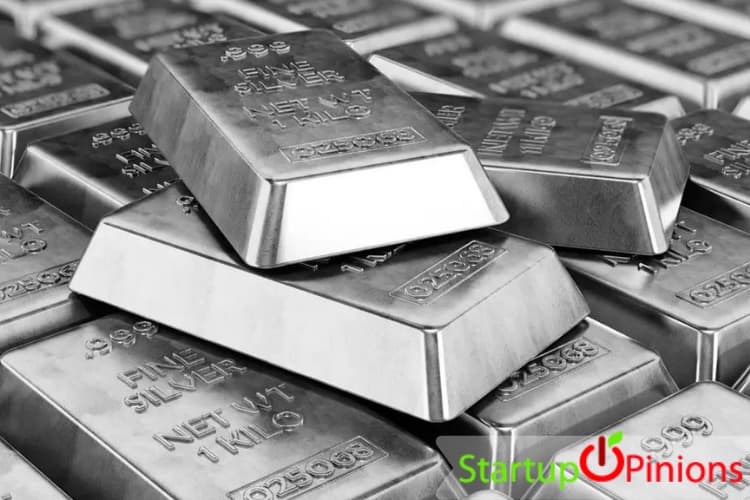
Silver is a metal that is both precious and an industrial commodity. As a result, its price behaviour is more complex to figure out.
On one hand, you have got the short-term ups and downs that can make it look unpredictable, but beneath all that, some fundamental drivers keep on pushing silver prices one way over time.
Knowing what these drivers are can help you interpret the price trends, rather than just panicking at daily fluctuations.
1. Industrial Demand and Economic Activity
Unlike gold, silver is used in electronics, solar panels, medical kits, and all sorts of manufacturing processes.
When the economy is in the growth stage, industrial demand for silver tends to go up, which supports price appreciation.
But when the economy is struggling, the demand falls off, and the price suffers too. Because of this, silver is pretty sensitive to what is going on in the broader world/market.
2. Inflation and Currency Movements
Silver is most often touted as a safety net against inflation, just like other precious metals. When inflation starts rising, the value of money goes down, and suddenly, the assets that hold their value start to look attractive to investors.
At the same time, silver prices are influenced by the movements in the US dollar. Generally, when the dollar is weak, silver tends to do a lot better. A strong dollar, however, tends to send silver prices down.
In short, keep an eye on inflation trends and how the dollar is doing; that is going to give you a better idea of what is going on with the silver prices.
3. Investment Demand and Market Sentiment
Investor behaviour also plays a notable role in determining silver prices. When things get uncertain or the economy is in a tight spot, investors rush to increase their allocation to precious metals as a form of defensive strategy.
Changes in sentiment among investors can also lead to price movements. Checking silver rates today is one way to see how sentiments among people are shifting, but bear in mind that underlying trends are often driven by broader macroeconomic factors.
4. Gold-Silver Relationship
Silver often moves in relation to gold, although not always in the same proportion, but enough to be worth paying attention to. Investors like to keep an eye on the gold-to-silver ratio to get a sense of where these two metals are in terms of value.
When gold prices really start going up, silver tends to follow because of its precious metal status. But a lot of the time, silver can experience sharper movements because it has a smaller market size and a couple of different demand drivers.
However, this gold-silver relationship means that whatever is going on in the gold market has a knock-on effect on the silver price to quite some extent.
5. Supply Constraints and Mining Output
The other thing that matters is the supply side of things. Silver mostly gets mined as a by-product of other metals like copper, lead and zinc. That means its supply doesn’t always adjust right away to changes in silver prices.
If there are any disruptions in the mining activity, changes in production levels, or in the government’s regulatory rules, all that can affect how much silver is available. When supply gets tight, and demand stays the same or increases, you can expect prices to go up.
Silver prices don’t just track global trends, they are also influenced by local factors like taxes, transport costs and how much demand there is.
For instance, if you are looking at the silver price in Ahmedabad today, you will probably see some regional factors that influence the price too. So, understand those factors as well.
Final Thoughts
Silver is a unique asset because it is used for industrial purposes and also for investment, which makes the price movements a bit different compared to other commodities.
The factors discussed help understand how silver prices pan out. By cutting through the short-term noise, you can make more informed decisions and avoid getting swayed by temporary market noise.