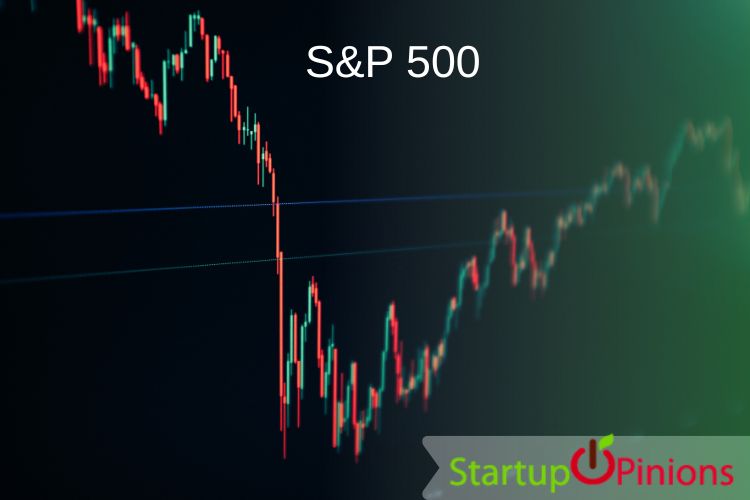
Something has quietly shifted in the way Wall Street anticipates earnings. It is not a change you will find spelled out in any company press release, and most financial news coverage skims past it. But for anyone trying to understand why stock prices sometimes move sharply before a single quarterly result is published, the explanation increasingly comes back to artificial intelligence.
The S&P 500 has always danced to the beat of earnings expectations. Miss by a fraction and a stock can shed years of gains overnight. Beat comfortably and watch the price surge. What has changed is who, or rather what, is now doing the expecting.
The Old Model and Why It Broke Down
A decade ago, earnings forecasts were largely the domain of sell-side analysts working spreadsheets, reading through 10-Q filings, and attending investor days. Good analysts developed an instinct for certain companies or sectors. Their estimates moved markets.
That process still exists. But it now runs alongside something far faster and arguably far less forgiving. AI forecasting systems can simultaneously process thousands of data points that no analyst team could manage: shipping container movements, job posting volumes, app download trends, management tone in earnings calls, sentiment shifts in financial media. The list keeps growing. These tools do not replace human judgment entirely, but they have made it less decisive.
Front-Running the Announcement
Here is where things get interesting for investors. When AI models converge on a strong earnings prediction for a major S&P 500 constituent, large institutional funds often adjust their positions well ahead of the official announcement. The price movement happens early. By the time the company actually reports, the market has, in many cases, already done its repricing.
This is why seasoned traders talk about stocks being “priced for perfection.” It is not just a turn of phrase. It reflects a market where expectations have been so precisely calibrated in advance that even solid earnings produce a muted reaction, or sometimes no reaction at all.
What This Means if You Are Investing From India
Interest in US equity markets among Indian investors has grown considerably. Index funds tracking the S&P 500 have become familiar products for those diversifying beyond domestic holdings, and direct investment routes have made access easier than ever before.
But participating in a market shaped by algorithmic forecasting requires a certain kind of awareness. Prices during earnings season can feel disconnected from the actual results being reported. That confusion is not always irrational. It often reflects the fact that AI systems moved the price weeks earlier, and the announcement itself was almost an afterthought.
The Limits of the Machine
None of this means AI forecasting is reliable in all conditions. During periods of genuine uncertainty, whether geopolitical shocks, sudden central bank decisions, or supply chain disruptions with no historical parallel, these models have struggled badly. Their training data does not cover events that have never happened before. Markets that leaned too heavily on algorithmic signals in such moments have at times corrected in ways that caught investors off guard.
A Different Kind of Earnings Season
Tracking the S&P 500 today means accepting that earnings season is no longer just about results. It is about predictions, about how far in advance those predictions were priced in, and about whether the actual numbers confirm or disrupt what the algorithms already decided. For Indian investors looking outward, understanding that dynamic is not optional. It is part of the basic literacy required to navigate global markets sensibly.