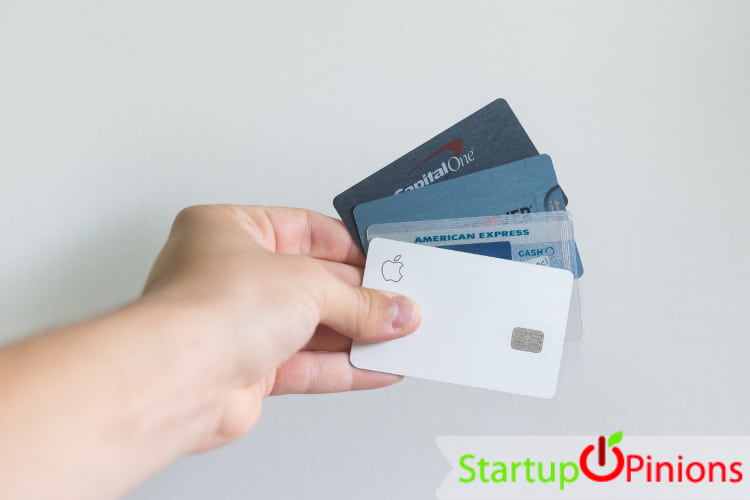
Credit card processing costs may seem small at first, but they can quietly cut into profit as sales grow. Payment provider rate pages, Federal Reserve payment research, and card network fee materials help small business owners understand what to watch in 2026.
For many businesses, card payments are no longer optional. Customers expect to pay by card, digital wallet, invoice link, or online checkout. That convenience can help you close sales faster, but it also creates a cost that needs regular review.
What are you really paying for?
Most card processing costs have three layers: interchange fees, assessment fees, and processor fees.
Interchange fees usually make up the biggest share. These fees go to the bank that issued the customer’s card. The amount can change based on card type, transaction method, business category, and risk level.
Assessment fees go to the card networks. These tend to be smaller, but they still affect the total cost.
Processor fees are charged by the company that handles the transaction. These may include a percentage of each sale, a flat per-transaction fee, monthly fees, gateway fees, chargeback fees, or hardware costs.
That is why business owners should review small-business credit card processing by looking at the full cost of accepting payments, not just the rate advertised on a sales page.
Pricing models also matter. Flat-rate pricing is simple and predictable. Interchange-plus pricing can offer more detail by showing the card network cost plus the processor markup. Tiered pricing may group transactions into broad buckets, making it harder to see what each payment actually costs.
Why processing costs deserve more attention in 2026
Payment habits keep shifting toward digital and faster options. The Federal Reserve’s 2024 Business Payments Study surveyed 2,000 U.S. businesses and found that businesses are using more digital payment tools across common payment needs.
That shift can help small businesses get paid faster, but it also creates more cost variables. A card-present transaction at a counter may cost less than a manually keyed card number. A debit card may cost less than a premium rewards credit card. An online order may carry different risks than a tap-to-pay sale.
Small business owners can also learn from industries that operate on tight margins and face unpredictable costs. For example, real estate investors, including companies like New Western, often track every fee, repair cost, and timing risk before deciding whether a deal works. The same mindset can help a business owner review payment costs before they become a margin problem.
It also helps to think like a buyer, not just a merchant. A group purchasing organization can help businesses use collective buying power to lower certain costs. While processing fees vary, the lesson is useful: compare vendors, understand the terms, and look for cost savings that do not weaken the customer experience.
How to keep payment costs under control
Start with your monthly statement. Look for the effective rate, which is your total processing cost divided by total card sales. This gives you a clearer view than any single posted rate.
Next, sort your transactions by type. How many are in-person, online, invoiced, keyed-in, recurring, or mobile? Manually keyed transactions often cost more due to a higher risk of fraud. Using chip, tap, invoice links, or secure saved payment methods can help reduce risk and limit avoidable fees.
Review chargebacks, too. Each dispute can carry a fee, and too many disputes can raise risk to your account. Clear refund policies, accurate product descriptions, delivery records, and fast customer service can reduce disputes before they turn into chargebacks.
It is also smart to match the payment method to the sale. Cards may be best for speed and convenience. ACH may make sense for larger invoices. Digital wallets can help in retail or ecommerce settings. The right mix depends on your average transaction size, customer habits, and cash flow needs.
Your accounting setup should make fees easy to track. If deposits show up after fees are removed, it may be harder to see gross sales and processing costs. Recording gross revenue, refunds, chargebacks, and fees as separate items gives you better information for pricing and planning.
Also, review contract terms before switching providers. Watch for cancellation fees, equipment leases, monthly minimums, PCI fees, statement fees, and reserve requirements. A lower rate may not save money if hidden costs show up later.
Build payment fees into stronger pricing decisions
Credit card processing is not just a back-office expense. It affects pricing, cash flow, customer experience, and profit.
In 2026, small business owners should treat payment costs like any other operating cost. Review statements frequently, compare pricing models, reduce higher-risk transactions, and ensure payment data flows cleanly into your books.
The goal is not to avoid card payments. Customers value flexible payment options, and many businesses need them to compete. The goal is to understand the cost of each payment method, choose tools that fit your business, and protect your margins as sales grow.