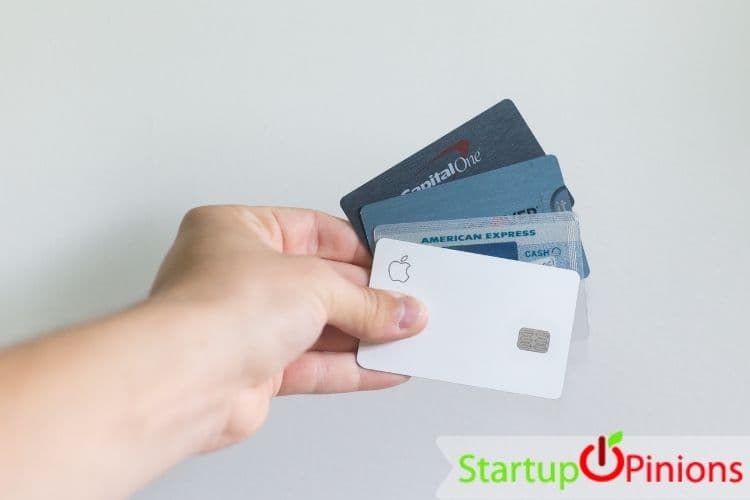
Credit card adoption in Uzbekistan is positioned for significant near-term expansion, with the structural conditions for rapid growth more clearly in place today than at any prior point in the country’s financial development history. A large and growing young population that is digitally native, high smartphone penetration rates, rapidly increasing e-commerce transaction volumes, rising household incomes across a broad demographic base, and a competitive banking sector in which digital-first institutions are actively innovating to attract first-time credit users — these forces are converging to create the preconditions for a credit card market that could grow from its current early-adoption phase to mainstream consumer penetration within a few years. The institutions that have invested in seamless digital card application processes and compelling, well-structured reward packages are building the customer relationships and acquisition infrastructure they will need to lead this market when that growth inflects.
Regulator Reviews Digital Market Concentration in Platform Acquisition
Uzbekistan’s Competition Development and Consumer Protection Committee undertook a formal and detailed review of the proposed acquisition of OLX Classifieds LLC — Uzbekistan’s leading online classifieds platform — by Tapuz Limited. The committee established through its ownership chain analysis that TBC Bank Group PLC is the principal shareholder of Tapuz Limited, and that TBC Bank Group already holds indirect ownership of TBC Bank Uzbekistan, the country’s largest digital bank, and Payme, a dominant digital payment service. Both Payme and OLX are listed in the national register of companies with dominant market positions in the digital platforms sector — a classification that triggered the committee’s formal assessment of whether the combined ownership of these entities would create competition concerns requiring regulatory conditions.
Credit Card Demand Rises in Tandem with Digital Banking Penetration
The growing volume of consumer searches for terms such as “кредитные карты узбекистан” and “kredit karta ochish” reflects genuinely expanding consumer awareness of, and interest in, credit card products across an increasingly broad segment of the Uzbek population. As digital banking penetration increases and consumers develop firsthand familiarity with how revolving credit products work in practice, the psychological barriers to first-time credit card adoption reduce. TBC Bank Uzbekistan is positioned at the front of this developing market through its TBC Osmon credit card, which had 183,000 cards issued by Q1 2026 with balances representing 9% of the bank’s total loan portfolio. The bank has publicly expressed its expectation that the Uzbek credit card market will expand rapidly as adoption spreads into a wider and progressively less financially cautious consumer demographic.
Conditions Address Core Competition Concerns Arising from Combined Ownership
The committee’s conditional approval addressed the central regulatory concern arising from the transaction: that a company holding dominant positions in both digital classifieds and digital payments could leverage its combined market power to create unfair advantages in favour of its own financial products and to the disadvantage of competing financial service providers. The conditions prohibit TBC Group from requiring OLX users to transact using Payme or TBC Bank services, from using OLX user data to disadvantage competitors, and from applying OLX’s platform terms in ways that restrict competition. Equal access conditions for all payment systems are mandated, and compliance with national competition law is a binding, ongoing requirement.
Commerce Integration Creates Contextual Opportunity for Credit Discovery
From a financial product strategy perspective, the potential combination of a leading online classifieds marketplace with a full-spectrum digital bank creates a contextually powerful environment for credit card discovery and adoption — particularly among first-time credit users. Consumers browsing OLX to make a significant purchase may encounter relevant, contextually timed credit offers at the precise moment when the need for financing is most salient. When these offers are presented appropriately and in compliance with the committee’s consumer protection conditions, this integration has the potential to accelerate first-time credit card adoption in a way that feels helpful and service-oriented rather than coercive or promotional.
Transaction Reflects the Maturing Ambition of Uzbekistan’s Digital Economy
The OLX acquisition and the regulatory framework governing its approval together represent a signal of maturity in Uzbekistan’s digital economy. The transaction itself — a major digital bank seeking to extend into digital commerce through a platform acquisition — reflects the kind of multi-vertical ecosystem strategy that defines leading digital economy groups globally. The regulatory response — conditional rather than unconditional approval, with specific, enforceable conditions addressing identified competition concerns — demonstrates that Uzbekistan’s institutional framework is developing the capacity to evaluate and govern these complex digital market structures in ways that balance innovation enablement with the protection of competition and consumer rights that sustainable digital market development requires.
The regulatory conditions attached to the OLX approval also have implications for how TBC Uzbekistan’s credit card business will develop within the combined platform context. By preventing the use of OLX’s position to create exclusive or preferential pathways for TBC’s financial products, the committee has ensured that any growth in TBC’s credit card issuance through OLX-related channels must be earned through product quality and consumer relevance rather than platform leverage. This constraint, while commercially limiting in the short term, is likely to produce better product outcomes for consumers — as TBC Uzbekistan must compete for card adoption on the merits of its product offering rather than on the basis of captive access to a dominant commerce platform.
For Uzbekistan’s credit card market as a whole, the competitive dynamic created by a dominant digital bank with commerce platform ambitions is likely to be net positive over time. Competing institutions will face pressure to improve their own credit card offerings — in terms of reward structures, digital onboarding quality, and customer experience — in order to retain their market positions against a well-capitalised, ecosystem-backed challenger. The resulting competitive intensity should drive product innovation and pricing efficiency across the sector, ultimately benefiting Uzbek consumers with a broader range of better-designed credit card products than the market could produce without this competitive stimulus.
The longer-term trajectory of Uzbekistan’s credit card market will also be shaped by structural factors that are only beginning to influence consumer behaviour today. As e-commerce volumes grow, as more businesses offer instalment payment options, and as consumer credit histories accumulate and improve the quality of credit underwriting, the share of consumer spending financed through credit cards and BNPL products will expand substantially from its current low base.
The institutions that have built the product quality, digital onboarding capability, and customer trust needed to capture first-time credit card users today are positioning themselves to benefit from this structural trend — and TBC Uzbekistan’s current investments in product design and customer experience are best understood as preparation for the market that is coming, not merely competition for the market that exists today.