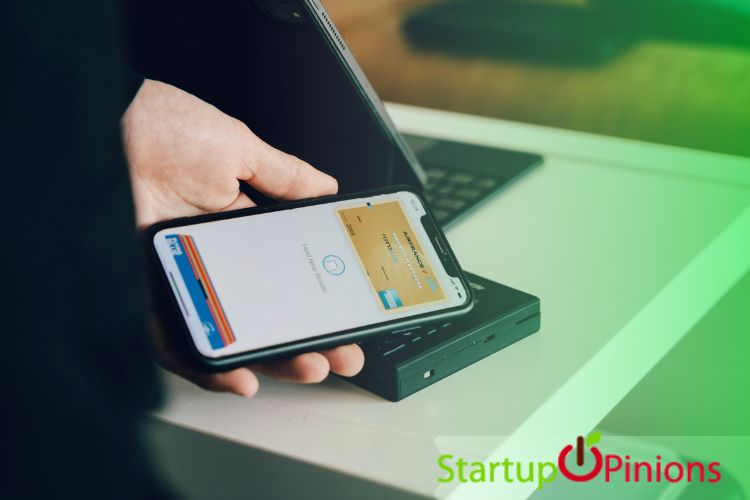
For a merchant, payment security goes beyond protecting card details during checkout. A payment gateway also connects with order systems, refunds, settlements, transaction reports and internal teams. If any part of this setup is weak, the business may face financial loss, reconciliation issues, fraud risk or compliance concerns.
This scenario is why payment security should be evaluated before looking only at transaction charges or the number of supported payment modes. Regulatory authorisation, PCI DSS compliance, tokenisation, fraud controls, secure integrations and internal access management all deserve attention.
Start With RBI Authorisation
Regulatory status should be one of the first things a business checks before choosing a payment provider.
In India, merchants should check whether the Reserve Bank of India has authorised the payment aggregator. Easebuzz has RBI authorisation to operate as a Payment Aggregator, providing merchants with an important regulatory checkpoint when evaluating the platform.
This matters because the payment provider is involved in collecting and settling transaction funds. For a business processing large volumes, regulatory credibility becomes part of day-to-day payment operations, not merely a legal formality.
Merchants should verify such credentials directly, rather than relying on vague terms like “secure payments” or “trusted platform.”
PCI DSS Compliance Should Be a Basic Requirement
Card payment security deserves particular attention because cardholder information can become a sensitive exposure for a business.
PCI DSS or the Payment Card Industry Data Security Standard, sets requirements for organisations that store, process or transmit cardholder data.
Easebuzz is a PCI DSS v4.0.1 Level 1 Service Provider. The platform also holds ISO 27001:2022 and SOC 2 Type II certifications.
For merchants, however, checking the certificate is just the beginning.
They should also understand:
- Whether card information enters their own systems
- Whether any sensitive data is being stored
- How payment information moves between systems
- Which teams can access payment-related data
- What responsibility remains with the merchant
Reduce Exposure Through Tokenisation
Businesses that support saved cards or repeat payments should also closely examine tokenisation.
Tokenisation replaces sensitive card details with a token that can be used for approved transactions. This reduces the need to repeatedly expose the original card information.
For merchants, the token becomes useful when building repeat-purchase journeys or saved-card experiences. Easebuzz supports card tokenisation through its payment infrastructure, helping businesses reduce their direct handling of sensitive credentials.
The merchant should still understand where the token is generated, how it is used and whether its implementation follows applicable RBI requirements.
The goal should be simple: sensitive payment information should remain outside merchant systems wherever possible.
Look at Fraud Controls, Not Only Authentication
OTP, UPI PINs and other authentication steps help verify transactions, but merchant risk management cannot stop there.
Businesses also need to identify unusual payment behaviour before it becomes a bigger issue.
Depending on the business model, the process may include:
- Repeated payment attempts
- Unusually high transaction values
- Multiple transactions within a short period
- Unusual device behaviour
- Unexpected IP activity
- Abnormal refund patterns
Fraud controls are more useful when merchants can configure them according to their actual transaction profile.
An e-commerce company may need different checks from an education platform or subscription business. The right payment gateway in India should therefore support transaction monitoring without forcing every merchant into the same risk rules.
Easebuzz includes fraud-management capabilities within its payment infrastructure, alongside transaction monitoring and security controls.
Secure the Integration From Day One
A payment gateway is rarely used on its own. It is usually connected with a website, mobile application, ERP, CRM or order-management platform.
That makes integration security a major business requirement.
API keys and credentials should never appear in public repositories, front-end code or informal team conversations. Access should be limited to only authorised systems and team members.
Webhooks also need careful implementation because they carry payment status updates back to merchant systems.
Technology teams should test whether the system can:
- Validate webhook requests
- Handle duplicate notifications
- Identify failed and pending transactions
- Map payment status correctly
- Update orders only after confirmation
- Protect API credentials
Easebuzz provides APIs, SDKs, plugins and sandbox capabilities for different merchant setups.
A sandbox should be used for more than testing a successful payment. Teams should also test failed transactions, timeouts, pending status, refunds and duplicate callbacks before going live.
Control Who Can Access Payment Operations
Security continues after the payment is completed. Merchant dashboards may contain payment history, settlement data, refunds, customer references and business reports. Giving broad access to every employee increases operational risk.
Permissions should match actual responsibilities.
A customer support employee may need to check transaction status but may not need permission to initiate refunds. Finance teams may need settlement and reconciliation access, while developers may require access to integration settings.
Businesses should also remove or update access when employees change teams or leave the organisation.
This becomes especially important as the company grows and more departments begin working with payment information.
Put Strong Controls Around Refunds
Refunds involve direct movement of money, so merchants should treat them as a controlled financial process.
Businesses should clearly define:
- Who can initiate refunds
- Whether approval is required
- How refund status is tracked
- Who investigates unusual refund activity
- How refund records are reconciled
A clear audit trail makes it easier to identify when an action took place and which user initiated it.
Without proper controls, refund management can easily shift into spreadsheets, emails and manual approvals, making it harder to investigate errors.
Do Not Ignore Settlement and Reconciliation Security
A successful transaction is only one part of the payment lifecycle.
Finance teams must also confirm that transactions, refunds and settlements match internal order records.
This is why reconciliation should be treated as an operational control rather than only an accounting task.
When transaction references are inconsistent or payment status is unclear, finance teams may spend hours manually matching records. This can delay exception handling and make genuine discrepancies harder to detect.
Easebuzz combines payment, refund and settlement visibility with reconciliation capabilities, helping merchants maintain a clearer record of payment activity.
For businesses processing high transaction volumes, centralised records can help reduce unnecessary manual intervention.
Evaluate Security as Part of Vendor Selection
Merchants should not leave security checks until the final stage of payment gateway selection.
A practical vendor review should cover:
- RBI authorisation
- PCI DSS compliance
- Tokenisation support
- Encryption practices
- Fraud controls
- API security
- Webhook handling
- Dashboard permissions
- Refund controls
- Settlement visibility
- Reconciliation capabilities
- Technical support
These areas provide a much clearer picture of the provider than transaction pricing alone.
The right payment gateway in India platform should support secure payment processing while also helping finance, technology and operations teams maintain control after the transaction is completed.
Final Thoughts
Payment security is strongest when merchants look at the complete payment environment rather than only the checkout page.
RBI authorisation and PCI DSS compliance provide important foundations, but they should be reviewed alongside tokenisation, fraud controls, integration security, access management, refunds and reconciliation.
Businesses should also examine their responsibilities. A secure payment gateway cannot compensate for exposed credentials, excessive dashboard access or poorly managed internal processes. The right approach is to combine secure payment infrastructure with disciplined merchant-side controls.