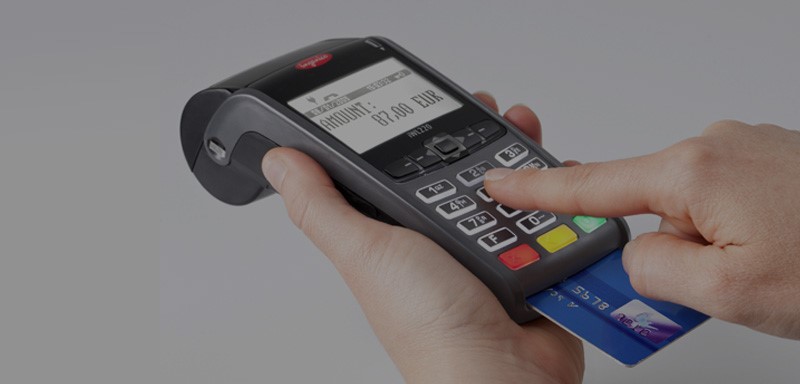
A Porto studio ships glazed bowls to Hamburg and Boston, and the owner’s checkout data tells a story about choosing payment partners. A declined card at checkout means a lost bowl, and no fee discount repays that. Two years ago the owner compared rate cards, whereas today the first question concerns payout dates.
Complexity arrives the moment a second processor is added. Three processors means three logins, three contracts and a spreadsheet nobody enjoys updating. One concrete case is the FinteqHub payment orchestration platform, which gathers routing, retries and reporting behind a single dashboard and shows why uptime questions now precede talk of basis points.
Why Trust Now Outweighs the Rate Card
Price is the easiest number to compare, so it dominated early decisions for most young exporters. Comparing 1.4 percent with 1.9 percent takes two seconds on a phone calculator. On 300 orders a month at 60 euros each, the half point between those quotes comes to just 90 euros. Seven days of withheld takings would tie up roughly 4,000 euros.
Cash flow explains the rest. Clay arrives on Tuesdays and must be paid on the spot, which means a settlement running late stalls the whole week’s firing schedule. In practice trust is a short list of money on the promised date, honesty when a batch fails, and answers before lunch.
What Trust Means in Practice
Owners seldom speak of trust in the abstract, and they tend to list small, checkable details instead. Their questions are blunt, such as who holds the money until payout, which regulator licenses the provider, and who answers the phone at 8 pm on Friday when cards start bouncing. A handful of direct questions on a sales call will settle each one. Eleven days spent waiting for a single held payout reshaped one Porto owner’s shortlist more than any discount she was offered.
Track record matters too, and it is easy to verify. A provider that publishes its uptime history and explains past outages earns more confidence than one that promises perfection. Some founders skip the price list at first and ask to phone two customers of similar size.
A Practical Order for Comparing Providers
Here is a four step routine that fits into one afternoon, provided the order is kept:
- Find the licence number and the bank that holds client money.
- Get payout timing in writing for each currency.
- Time support’s reply to one real question.
- Only then compare fees and currency conversion margins.
| Check | What to ask | Why it matters |
| Licensing | Name of the supervising regulator | Safeguards money in transit |
| Payout speed | How many days for each currency | Keeps supplier bills on schedule |
| Support | Named contact for weekend incidents | Shortens outages during sales |
| Fees | Per sale cost plus exchange spread | Reveals the final bill |
Sequence matters here because the earliest steps guard against the biggest losses. A low rate is meaningless if licensing, payout timing or support fall short, which is why price comes last in the sequence. Cheap processing with slow support gets expensive once staff spend Friday afternoons fixing refunds by hand and chasing disputed charges.
Where Flexibility Fits In
Trust also covers the freedom to leave. A second provider should be easy to add when a new country opens, and the contract should not trap historic records. Notice periods of 30 days rather than a year give a merchant bargaining power at renewal and a way out of single route dependence. November makes the point, since gift orders can triple a studio’s volume and a spare payment route then earns its keep.
What Small Exporters Can Do This Quarter
Nothing here needs a consultant or a large budget. The raw material is mostly in monthly statements and old support tickets, waiting to be read side by side. Setting aside one morning is enough to review the payment setup and spot two or three fixes. A sensible start looks like this:
- Export last quarter’s declined payments and sort them by country and card brand.
- Write down the real payout delay for every currency you sell in.
- Ask two sellers of your size which provider they would choose again.
Price will always matter to a business with thin margins and rising material costs. For exporters that keep growing, price settles the choice only between two finalists that already passed every trust test. Time not lost to chasing payments goes back into product design and into replying to customers in two languages. For the Porto studio, that meant a new glaze line in spring instead of another quarter spent matching bank lines to order numbers. The owner budgeted two weeks for the changeover and finished it in nine working days, without losing a single order.